Prophecy
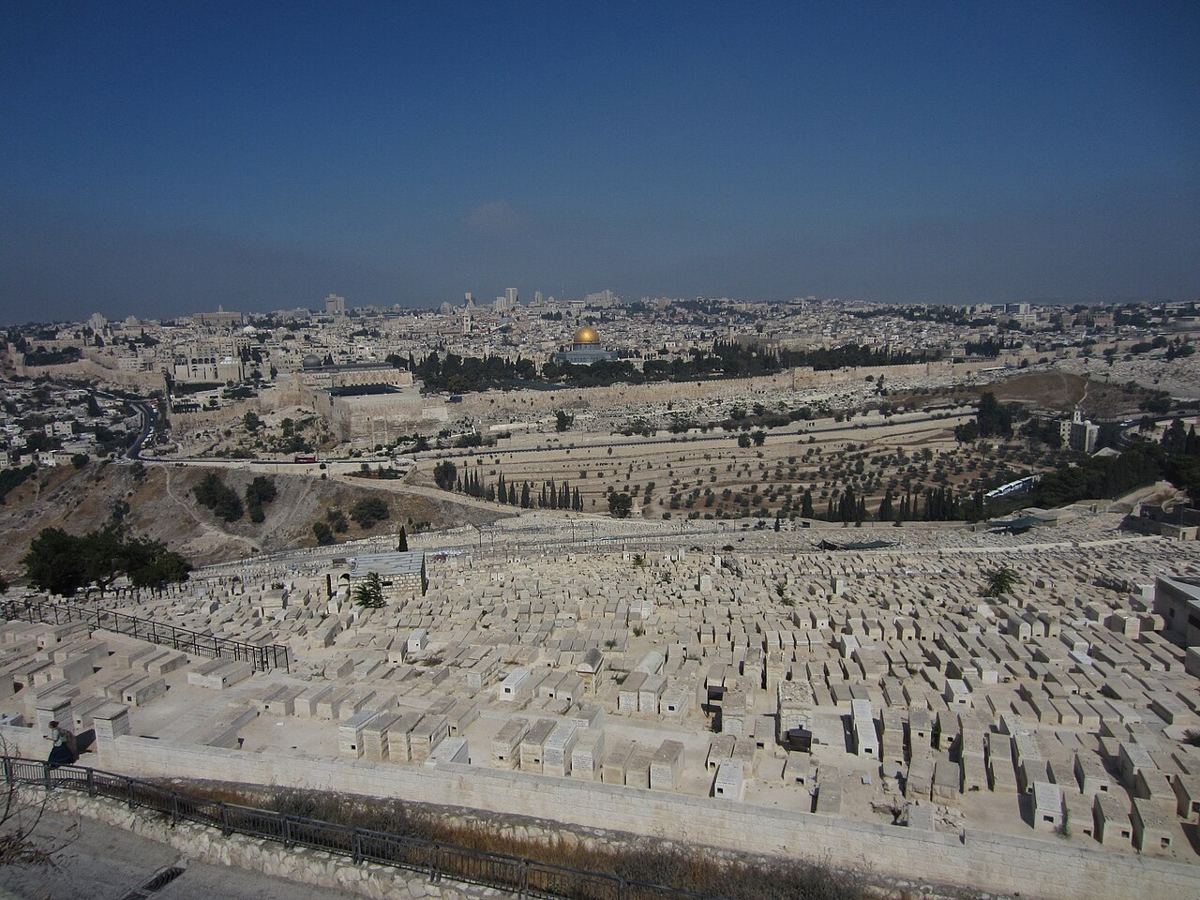
Jerusalem, “a burdensome stone for all the peoples” (Zechariah 12:2-3)
? Not yet fulfilled
Written c. 520–480 BC according to tradition; 450–300 BC according to historians.
See the full entry: sources, objections, answersIn short
The announcement. The prophet Zechariah, after the return from Babylon (around 520-480 BC according to tradition), announces in the book of Zechariah that Jerusalem will become a “burdensome stone” for all peoples and that all the nations of the earth will gather against it.
What happened. This has not happened yet. Since 1947, the status of Jerusalem has been the subject of international resolutions and remains one of the most disputed points of the Israeli-Palestinian conflict, but the siege of the city by all nations, followed by their defeat, has not taken place.
What is still debated. the text announces a war of all nations at the end of time, and applying it to today's diplomatic disputes keeps the image while dropping the announced event.
Main objection (in French for now)
Le cœur de l’oracle est militaire : « toutes les nations de la terre s’assembleront contre elle » et seront détruites (Za 12:3, 12:9). Rien de tel n’a eu lieu ; appliquer la métaphore à la diplomatie retient l’image et laisse tomber l’événement annoncé.
The text (World English Bible)
“Behold, I will make Jerusalem a cup of reeling to all the surrounding peoples, and it will also be on Judah in the siege against Jerusalem. It will happen in that day that I will make Jerusalem a burdensome stone for all the peoples. All who burden themselves with it will be severely wounded, and all the nations of the earth will be gathered together against it.
Zech 12:2-3
Sources
- United Nations General Assembly Resolution 181 (II), 29 novembre 1947 — The Avalon Project, Yale Law School
- Palestine plan of partition with economic union — General Assembly resolution 181 (II) — Nations unies, Système d’information sur la question de Palestine (UNISPAL)
- David Kimhi (Radaq), commentaire sur Zacharie 12:2 — Sefaria
- David Kimhi (Radaq), commentaire sur Zacharie 12:3, trad. M. Feuer — Sefaria
- Commentaires classiques sur Zacharie 12:3 (Benson, Barnes, Pulpit, Gill et al.) — Bible Hub (textes du domaine public)