Prophecy
Samaria, “a heap of stones in the field” (Micah 1:6)
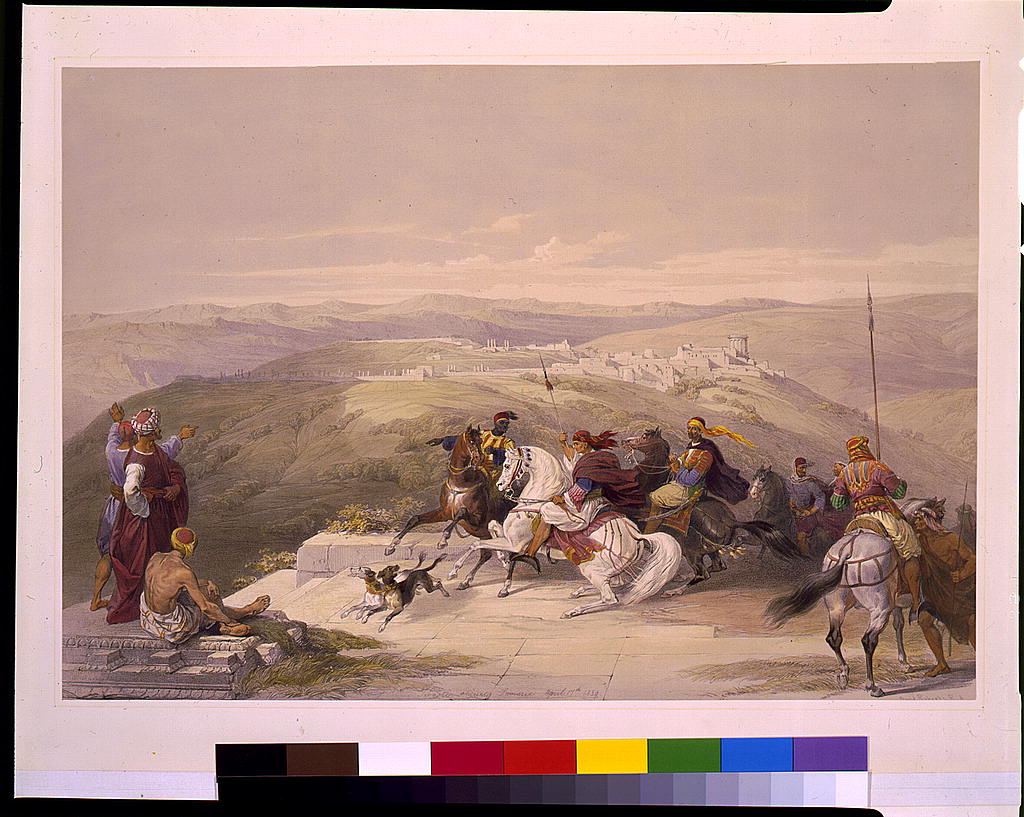
◐ Written shortly before or at the time: it cannot be decided
Written 740–722 BC according to tradition; 730–722 BC according to historians. Event: c. 722–108 BC.
See the full entry: sources, objections, answersIn short
The announcement. The prophet Micah, in the book that bears his name, before the fall of Samaria (around 730–722 BC), announces that Samaria, capital of the northern kingdom of Israel, will become “a heap of stones in the field”.
What happened. Samaria falls to the Assyrians in 722–720 BC, but King Sargon II repopulates it and makes it the seat of a province. Around 108 BC, John Hyrcanus razes it completely. Herod later rebuilds it under the name Sebaste.
What is still debated. in 722, the city is not reduced to a heap of stones, and only a destruction six centuries later resembles the image in the text.
What would be striking if the text came first
If the passage does date from before 722, as is generally accepted, the fall was announced. But Assyria immediately repopulates the city: the heap of stones matches only the destruction of around 108 BC, and this connection is a reading.
Main objection (in French for now)
Sargon II affirme avoir repeuplé Samarie « plus qu’auparavant » : en 722, la ville n’est pas un tas de pierres. Le tableau de Mi 1:6 ne correspond à rien dans l’horizon immédiat du texte.
The text (World English Bible)
Therefore I will make Samaria like a rubble heap of the field, like places for planting vineyards; and I will pour down its stones into the valley, and I will uncover its foundations. All her idols will be beaten to pieces, all her temple gifts will be burned with fire, and I will destroy all her images; for of the hire of a prostitute has she gathered them, and to the hire of a prostitute shall they return.”
Mic 1:6-7
Sources
- The Nimrud Prism, 720 BCE — Center for Online Judaic Studies
- Shawn Zelig Aster, « Sargon in Samaria: Unusual Formulations in the Royal Inscriptions and Their Value for Historical Reconstruction » — Journal of the American Oriental Society
- Flavius Josèphe, Antiquités juives 13.281 (trad. W. Whiston) — Lexundria
- Sebastia (liste indicative de la Palestine) — Centre du patrimoine mondial de l’UNESCO
- Commentaires sur Michée 1:6 (Gill, Pulpit (citant Tristram), Barnes, Cambridge, Ellicott) — Bible Hub (textes de commentaires du domaine public)