Prophecy
The rejected stone that became the cornerstone (Psalm 118:22)
● Written before, according to historians
Written 1010–500 BC according to tradition; 539–200 BC according to historians. Event: 30–64 AD.
See the full entry: sources, objections, answersIn short
The announcement. Psalm 118, a Temple song of debated date (between 539 and 200 BC according to scholars), says that “the stone which the builders rejected has become the cornerstone”.
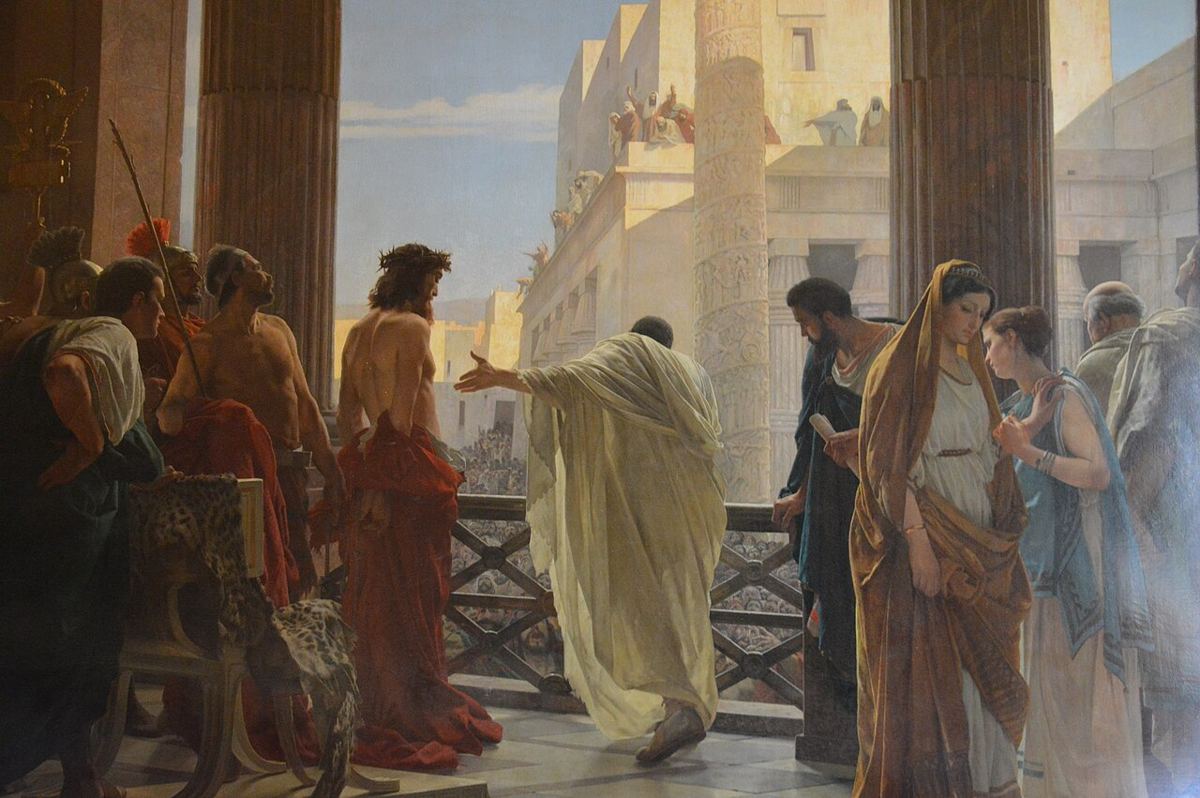
What happened. Jesus is condemned in AD 30 or 33, according to Josephus at the instigation of the leading men, and his movement had reached Rome by 64 according to Tacitus. The Gospels have Jesus quote this psalm before the Temple authorities, and the Acts of the Apostles apply it to him.
What is still debated. the image of the rejected one who becomes essential is very general and also applies to David or to Israel, so it does not designate a specific person.
Why it is striking
Two non-Christian authors attest both halves of the path that Christians read in this verse: rejection by the leaders, then a central place. It is a rereading, and the image of reversal is general enough to apply to others.
Main objection (in French for now)
Le motif du renversement est général : il s’applique à David, à Israël (Rashi), à tout humble relevé. Sa seule présence ne désigne pas une personne précise.
The text (World English Bible)
The stone which the builders rejected has become the cornerstone.
Ps 118:22
Sources
- Flavius Josèphe, Antiquités juives 18.3.3 (18.63-64), trad. W. Whiston — Perseus Digital Library, Tufts University
- Tacite, Annales 15.44 (trad. A. J. Church & W. J. Brodribb) — Perseus Digital Library, Tufts University
- Did Jesus Exist? Searching for Evidence Beyond the Bible (Lawrence Mykytiuk) — Biblical Archaeology Review / Bible History Daily (Biblical Archaeology Society)
- Extrabiblical Evidence for Jesus’ Historicity (Raphael Lataster) — The Bible and Interpretation (University of Arizona)
- Rashi sur Psaumes 118:22 — Sefaria
- Rashi sur Michée 5:1 — Sefaria
- Keil & Delitzsch (Delitzsch) — Commentaire du Psaume 118:22 — Keil & Delitzsch, Biblical Commentary on the Old Testament (Bible Hub)
- Targum araméen des Psaumes, Ps 118:22 — Sefaria (traduction communautaire)