Prophecy
The sign of Immanuel: “the young woman will conceive” (Isaiah 7:14)
◆ Written before: a dated manuscript proves it
Written c. 735–733 BC according to tradition; c. 734–600 BC according to historians. Event: c. 6–4 BC.
See the full entry: sources, objections, answersIn short
The announcement. The prophet Isaiah, around 735–733 BC, gives King Ahaz a sign: “the young woman will conceive” and will have a son named Immanuel, and before the child grows up, the two kings threatening Judah will be gone.
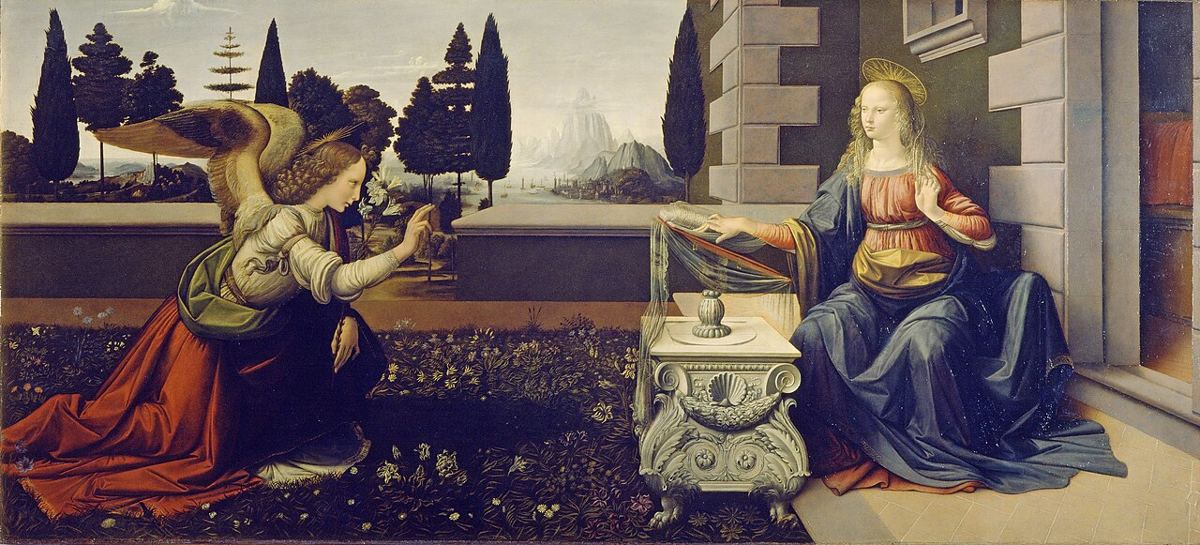
What happened. In Isaiah's context, the time frame is met: in 734–732 BC, Assyria crushes these two kingdoms and takes Damascus. Centuries later, the Gospel of Matthew applies the verse to the birth of Jesus from the virgin Mary, around 6–4 BC, which no historical method can verify.
What is still debated. the Hebrew word means “young woman” and not “virgin”, a meaning that comes from the ancient Greek translation quoted by Matthew, and the sign was addressed to the king of the time.
Why it is striking
The sign was first aimed at King Ahaz, and its time frame was met with the fall of Damascus in 732 BC. Christians also read in it the birth of Jesus: that is a rereading, and the Hebrew word means “young woman” rather than “virgin”.
Main objection (in French for now)
ʿAlmah désigne une jeune femme en âge d’être mariée ; l’hébreu a un mot propre pour « vierge », betoulah. La « vierge » vient de la traduction grecque parthenos, que cite Mt 1:23 (H. Hagelia).
The text (World English Bible)
Therefore the Lord himself will give you a sign. Behold, the virgin will conceive, and bear a son, and shall call his name Immanuel.
Isa 7:14
Sources
- ’Almah in Isaiah 7:14 (Hallvard Hagelia) — The Bible and Interpretation (University of Arizona)
- Tiglath-pileser III’s Campaigns in 734-732 B.C.: Historical Background of Isa 7; 2 Kgs 15–16 and 2 Chr 27–28 (Peter Dubovský) — Biblica 87 (2006), 153-170
- Rashi sur Ésaïe 7:14 — Sefaria
- Abraham ibn Ezra sur Ésaïe 7:14 (trad. M. Friedländer, 1873) — Sefaria
- Justin Martyr, Dialogue avec Tryphon, ch. 55-68 (trad. Ante-Nicene Fathers) — New Advent
- Herod (king of Judaea) — Encyclopaedia Britannica
- The Great Isaiah Scroll (1QIsa^a) — The Israel Museum, Jerusalem
- Dating ancient manuscripts using radiocarbon and AI-based writing style analysis (Popović et al.) — PLOS ONE 20(6), DOI 10.1371/journal.pone.0323185