Prophecy
Bethlehem, from which the ruler of Israel will come (Micah 5:2)
● Written before, according to historians
Written c. 735–700 BC according to tradition; c. 600–180 BC according to historians. Event: c. 6–4 BC.
See the full entry: sources, objections, answersIn short
The announcement. The prophet Micah, around 735–700 BC according to tradition (later according to some scholars, but before 180 BC), announces that from Bethlehem, a small village of Judah, will come the one who will rule over Israel.
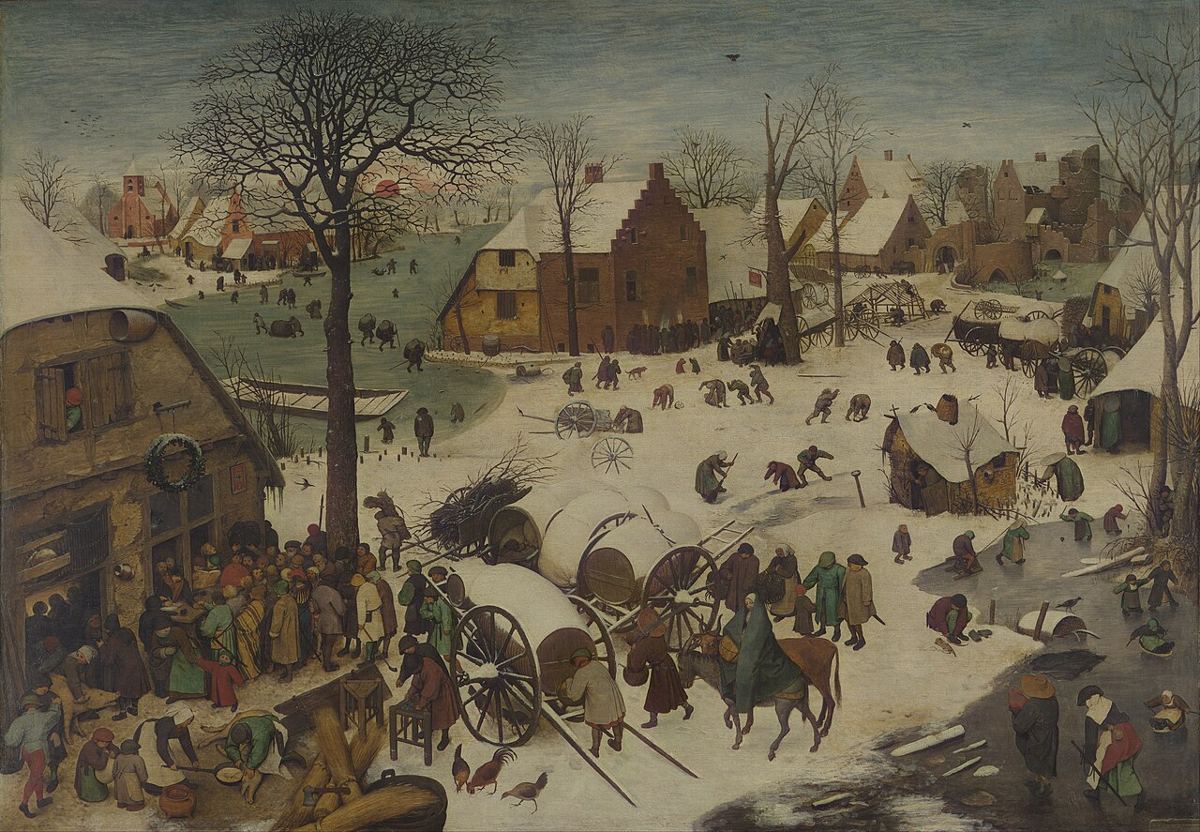
What happened. The Gospels of Matthew and Luke place Jesus's birth in Bethlehem, around 6–4 BC, under King Herod. Only these two accounts report it, and they do not agree on the rest, such as the family's home or the census.
What is still debated. many historians think these accounts were built to make Jesus, known as coming from Nazareth, fit the text of Micah.
Why it is striking
The text is well before Jesus, and some Jews already read in it the birthplace of the Messiah before Christians made it an argument. But the birth in Bethlehem is attested only by two Gospels, which differ on the rest.
Main objection (in French for now)
L’accomplissement n’est attesté que par Matthieu et Luc, deux récits qui ne concordent pas sur le reste (domicile initial, fuite en Égypte, recensement). Beaucoup d’historiens y voient des récits construits pour satisfaire Mi 5:1 au sujet d’un Jésus connu comme « de Nazareth » (Mc 1:9 ; Jn 7:41-42).
The text (World English Bible)
But you, Bethlehem Ephrathah, being small among the clans of Judah, out of you one will come out to me who is to be ruler in Israel; whose goings out are from of old, from ancient times.
Mic 5:2
Sources
- Rashi sur Michée 5:1 — Sefaria
- Targum de Jonathan sur Michée 5:1 (araméen) — Sefaria
- Herod (king of Judaea) — Encyclopaedia Britannica
- Flavius Josèphe, Antiquités juives 18.1.1 (18.1-10), trad. W. Whiston — Perseus Digital Library, Tufts University
- Where Was Jesus Born? (Aviram Oshri) — Archaeology 58(6), Archaeological Institute of America
- Earliest History of Bethlehem Documented by First Temple Period Bulla from the City of David — Bible History Daily (Biblical Archaeology Society)
- The Book of Ben Sira — Introduction (G. A. Rendsburg & J. Binstein) — Department of Jewish Studies, Rutgers University
- Siracide (Ecclésiastique) 49:10, World English Bible — eBible.org (domaine public)