Prophecy
The rout of Necho’s army at Carchemish (Jeremiah 46)
○ Written after the events, according to historians; tradition dates it before
Written 605 BC according to tradition; 605–600 BC according to historians. Event: 605 BC.
See the full entry: sources, objections, answersIn short
The announcement. The prophet Jeremiah, in the book of Jeremiah, in 605 BC, announces the rout of Pharaoh Necho's army at Carchemish, on the bank of the Euphrates: even the swiftest will not be able to flee.
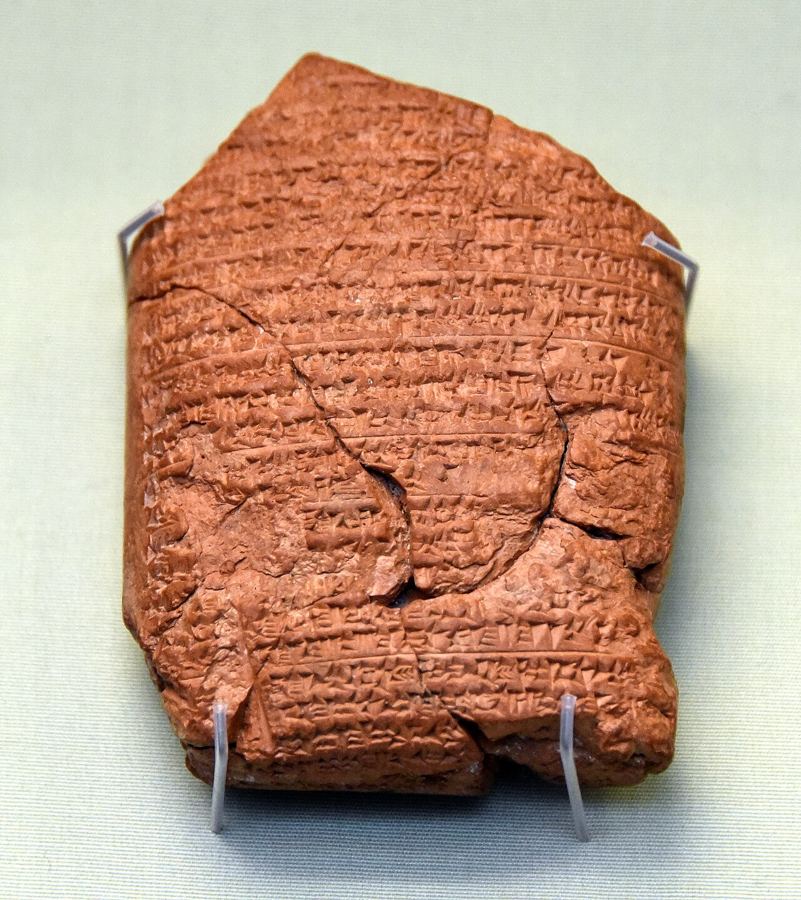
What happened. In 605 BC, a Babylonian chronicle reports that Nebuchadnezzar defeats the Egyptian army at Carchemish, “so that not a single man returned to his country”. The same year, he becomes king of Babylon.
What is still debated. the text already presents the defeat as past, and the poem may have been a victory song composed after the battle rather than a prediction.
What would be striking if the text came first
The victors’ own account confirms the place, the adversaries and the pursuit of those who fled. But the time gap is nil or almost: the poem dates from the year of the battle, and historians think it may have been written just afterward.
Main objection (in French for now)
Jr 46:2 présente la défaite comme un fait (« qui fut battue ») : la notice est postérieure à la bataille, et le poème peut être un chant composé après coup plutôt qu’une prédiction.
The text (World English Bible)
Of Egypt: concerning the army of Pharaoh Necoh king of Egypt, which was by the river Euphrates in Carchemish, which Nebuchadnezzar king of Babylon struck in the fourth year of Jehoiakim the son of Josiah, king of Judah.
Jer 46:2
“Don’t let the swift flee away, nor the mighty man escape. In the north by the river Euphrates they have stumbled and fallen.
Jer 46:6
Sources
- ABC 5 (Chronique de Jérusalem) — Livius.org, d’après A. K. Grayson
- The Book of Jeremiah: a Work in Progress (Emanuel Tov) — Bible Review, juin 2000 (Biblical Archaeology Society)
- Commentaires sur Jérémie 46:2 (Benson, Poole, JFB, Pulpit, Keil-Delitzsch, Ellicott) — Bible Hub (textes de commentaires du domaine public)